
What is MemeMeet? From a shared joke to something you can hold
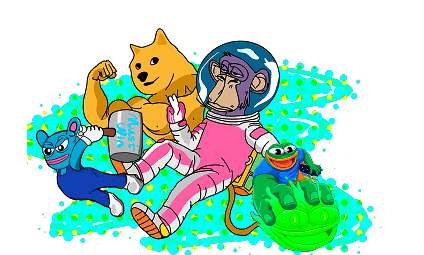
A meme begins as a glance, a phrase, or an image passed between people. The interesting moment comes later: a community decides that the idea belongs on a desk, a jacket, or a shelf. MemeMeet is the platform that connects that shared internet culture with the proposals, backing, public drops, and fulfillment needed to make a physical product.
What is MemeMeet?
MemeMeet helps internet communities turn recognizable characters, jokes, and shared cultural ideas into physical merchandise. A proposal can move through co-creation, early backing, a public drop, fulfillment, and eligible onchain rewards. Not every proposal reaches every stage.
We do not begin with an anonymous catalogue and attach a trend to it. The useful question is whether a character or idea already carries meaning for a community, and whether a physical object can preserve what people recognize in it.
That makes context part of the product. A person should be able to learn where an idea came from, what was changed in the design, and what stage the object has reached before deciding what to do next.
What internet-native IP means here
Internet-native IP is our plain-language description for characters and ideas that originate inside online communities: memes, streamer culture, and onchain community icons rather than traditional entertainment franchises.
The phrase describes cultural origin. It does not decide who owns an idea or prove that a product is officially licensed. Product stories should state the evidence and rights status they can actually verify.
MemeMeet, Community, and Shop each answer a different question
MemeMeet.app explains the overall model and keeps the long-form record. Community is where people can discover early proposals and follow participation. MemeMeet Shop is where available drops and products present current purchase details.
The commerce and onchain parts have different jobs. Shop handles checkout and fulfillment, while Base records eligible contribution, refund, badge, and reward activity described by a campaign. MemeMeet launches are product campaigns rather than token sales or airdrops.
Keeping those roles clear matters. A story can connect all three places, but the current product page remains the source for price, availability, and fulfillment details.
- 01MemeMeet.app: understand the brand, process, and evidence behind a story.
- 02Community: discover an early proposal and the participation path around it.
- 03Shop: verify the current product, purchase terms, and checkout details.
How MemeMeet differs from a print-on-demand catalogue
A print-on-demand catalogue can publish an uploaded design as an effectively unlimited listing. MemeMeet starts earlier, while the product is still a proposal, and uses community participation and early backing to test whether an idea deserves the next step.
This does not guarantee production. It makes the uncertainty visible before a limited public drop opens, so creators and supporters can distinguish interest in an idea from an actual offer for sale.
How a meme becomes a physical product
The public model has five stages: co-create, early backing, public drop, fulfillment, and eligible onchain rewards. Each stage describes work that still has to happen; it is not a promise that every idea reaches production.
That boundary is part of the story rather than fine print. Supporting an early proposal is different from placing an order for a product that is available through Shop.
Supporters, creators, and community organizers see different parts
Community supporters can discover petitions, follow a proposal, and review the rules attached to any backing opportunity. Approved creators can contribute product ideas through MemeMeet’s current invite-only creator path. Community organizers can test demand before committing to a public drop.
A person should always follow the action that matches the current stage: discuss an early idea in Community, review an available offer in Shop, and use Journal to understand the decisions and evidence behind it.
Show the choice, the evidence, and the current result
Journal stories will name the material we actually have: a listing image, a sketch, a creator interview, a community suggestion, a sample, or a customer photograph. If an interview or real-use image does not exist yet, we will say so instead of writing around the gap.
That is how a small object can carry a larger story without the story becoming advertising copy.